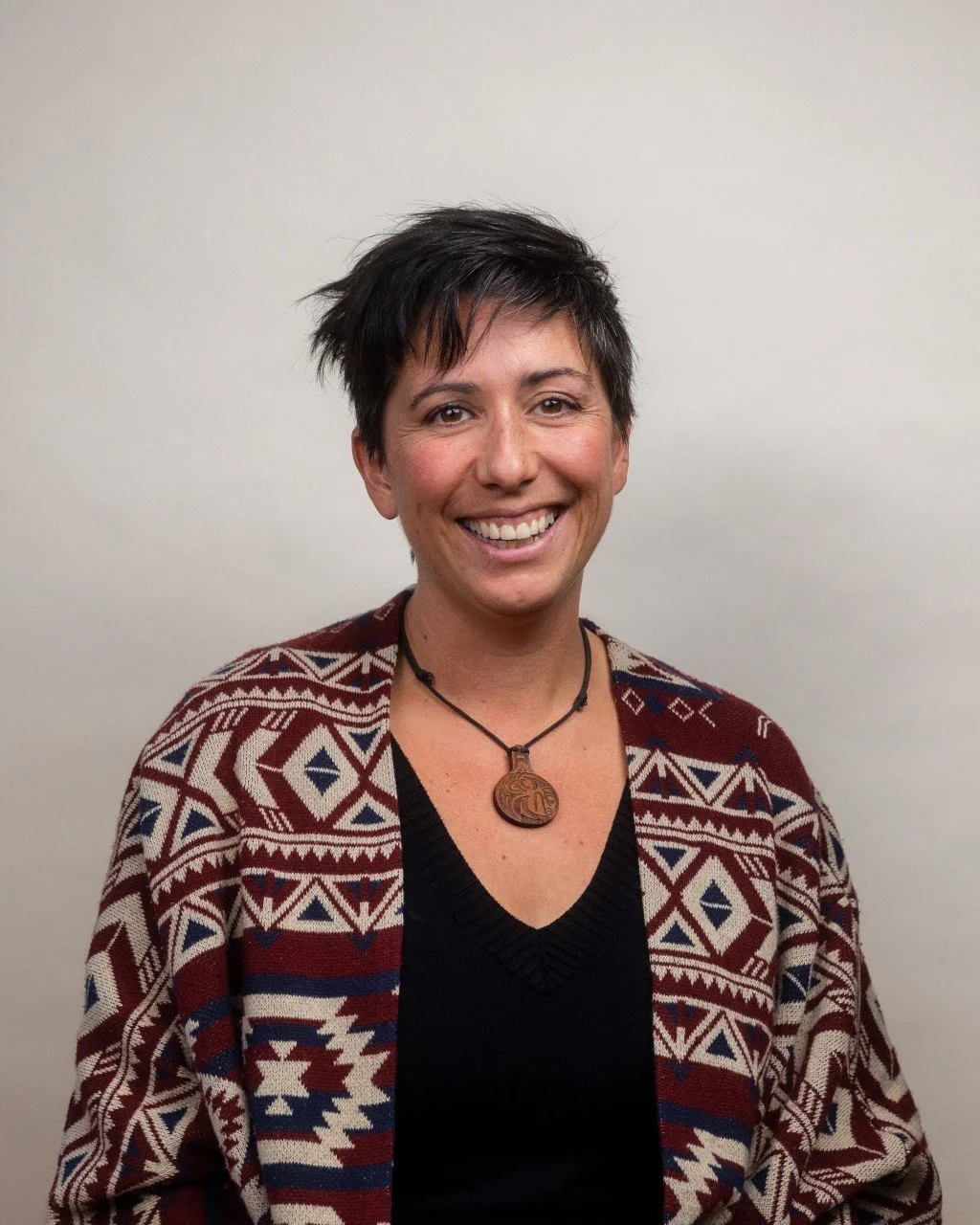
Dreamcatcher Farm Harrop: Growing Food, Growing Relationships
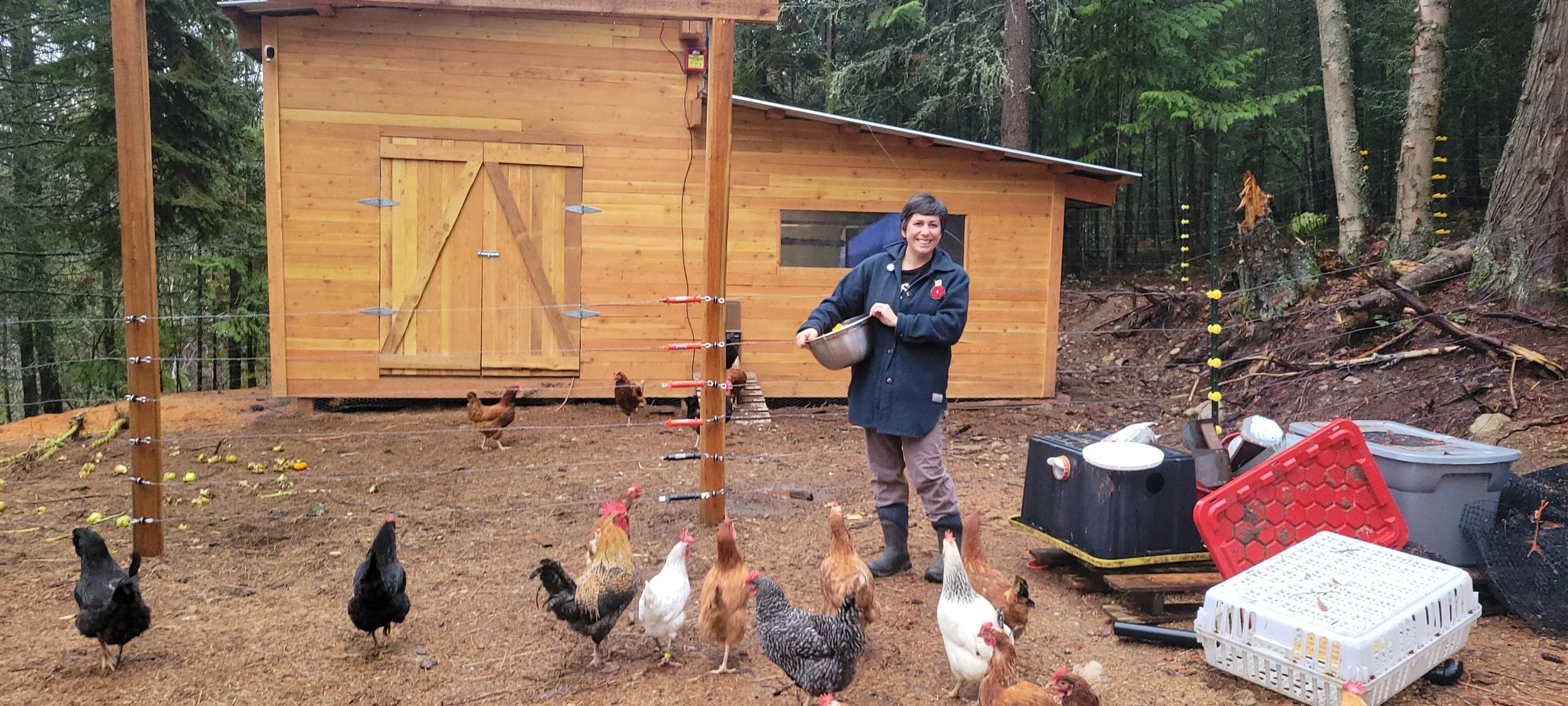
Naomi tends to her free-range chickens at Dreamcatcher Farm in Harrop, ensuring fresh, high-quality, farm-grown produce every day
The day begins before the light fully arrives. In the quiet hour just before sunrise, the farm feels like it’s holding its breath. The air is cool, the ground still damp with night, and everything smells like earth and green growth. I move slowly along the forest edge and past the chickens on my way to the garden beds, harvest knife in hand, listening, already wide awake.
Greens come first: crisp, tender, and full of water after the night’s rest. I love harvesting in those early hours, when everything tastes fresh and the work feels almost ceremonial. Then I check the seedlings in the propagation area, scanning for the subtle shift that says it’s time to transplant—stronger stems, true leaves, a little more confidence in their posture.
By the time the sun crests over the ridge, I’m at the wash station rinsing greens in cold water, watching grit fall away, laying bunches out to drain and dry. It’s repetitive work, and I love it. There’s something grounding about tending food with your hands, something that pulls you out of the rush of modern life and back into a rhythm that makes sense. You know that this food is nourishing in ways that grocery store produce could never be, because within a day or two, these foods will have left the field and be eaten by my community without having come half way around the world. I vision moving from a local food movement to a hyper-local movement, where everyone in the Kootenays can know their farmer just down the road and know that food grown well actually regenerates the soil.
Soon my young women farm-hands will join me in the field. They’re graduating this spring and eager to get their hands dirty and learn to grow food. They’re part of a generation that can feel in their bones that industrial models can’t sustain us and that small, earth-friendly farms can still shape a different future. My hope is for them to take the skills learned on the farm and create another small-scale regenerative farm or an urban farm that applies the same principles.
“Small farms deliver freshness, traceability, and seasonal abundance that doesn’t rely on long-haul transport or “just-in-time” supply chains. We can grow for local needs, respond quickly to shifting weather, trial resilient varieties, and build soil health season after season.”
This is the work at Dreamcatcher Farm Harrop, my Indigenous-led regenerative farm in the West Kootenays and on the traditional lands of the Ktunaxa and Sinixt. It’s also the beginning of a bigger story about community resilience, and what it means to rebuild food systems in a place where land, weather, and history ask you to be both practical and deeply respectful.
And that’s why the United Nations declaration that 2026 is the Year of the Woman Farmer feels so important to name out loud. Women have always fed communities and often without recognition, often while carrying the invisible work of care, coordination, and perseverance. On farms, that same pattern shows up in the day-to-day reality: problemsolving, planning, lifting, learning, stretching budgets, navigating regulations, adapting to weather, and still showing up, again and again, because the work matters.
When people ask me, “How did you become a farmer?” I laugh, because the truth is I had a dream to farm since I was about 30. I was living in Edmonton and gardening a small garden. I dreamed about homesteading and farming. I took a permaculture certificate in 2013 and I saw that permaculture projects across the globe were restoring ecosystems and greening deserts. I knew that I wanted to grow things and be part of that change. So,at the age of 40, I faced my students and told them that I was going to move away to BC and become a farmer because one should never be afraid to live their dream. I had to be a role-model, and show them that anything is possible.
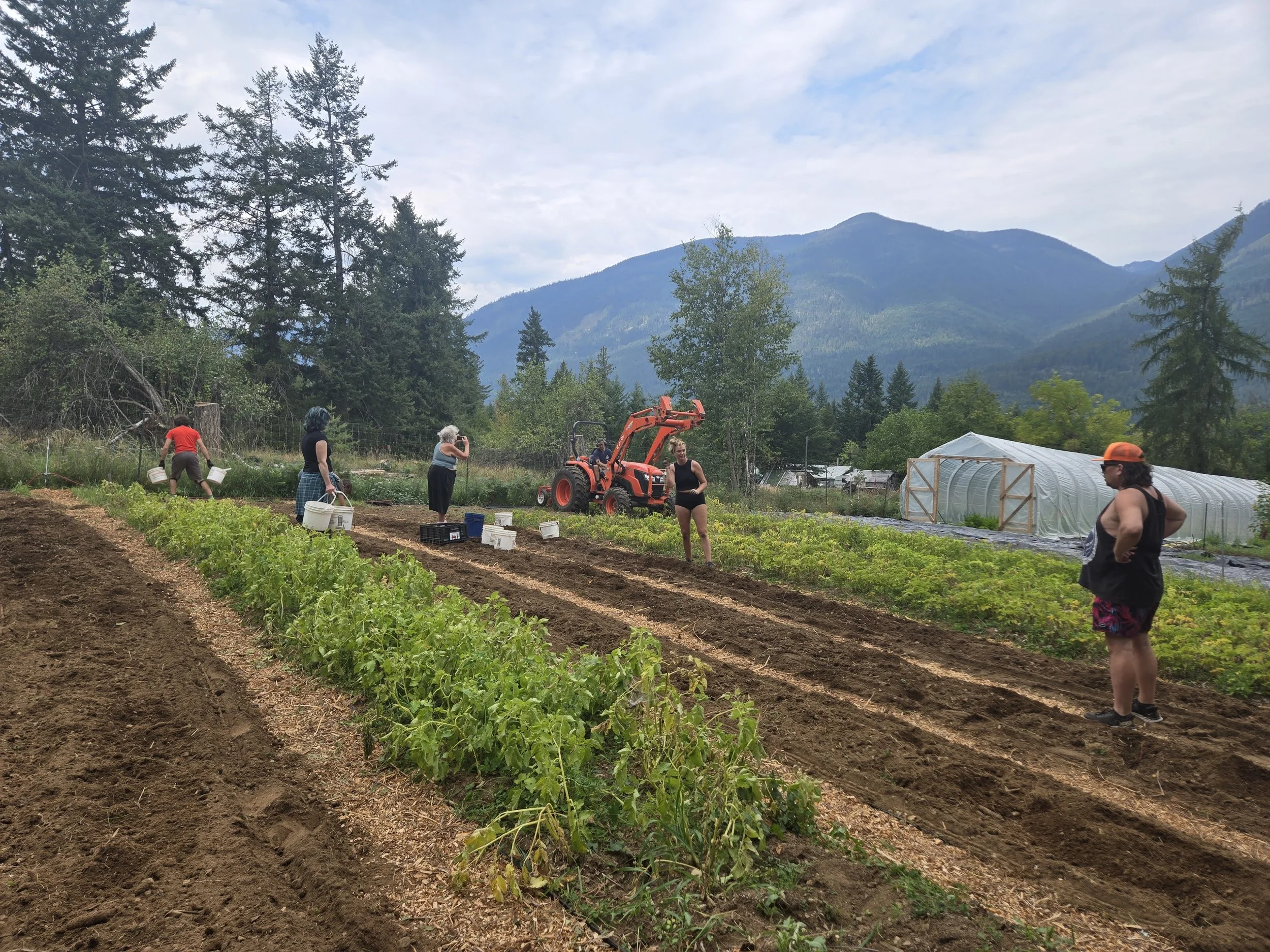
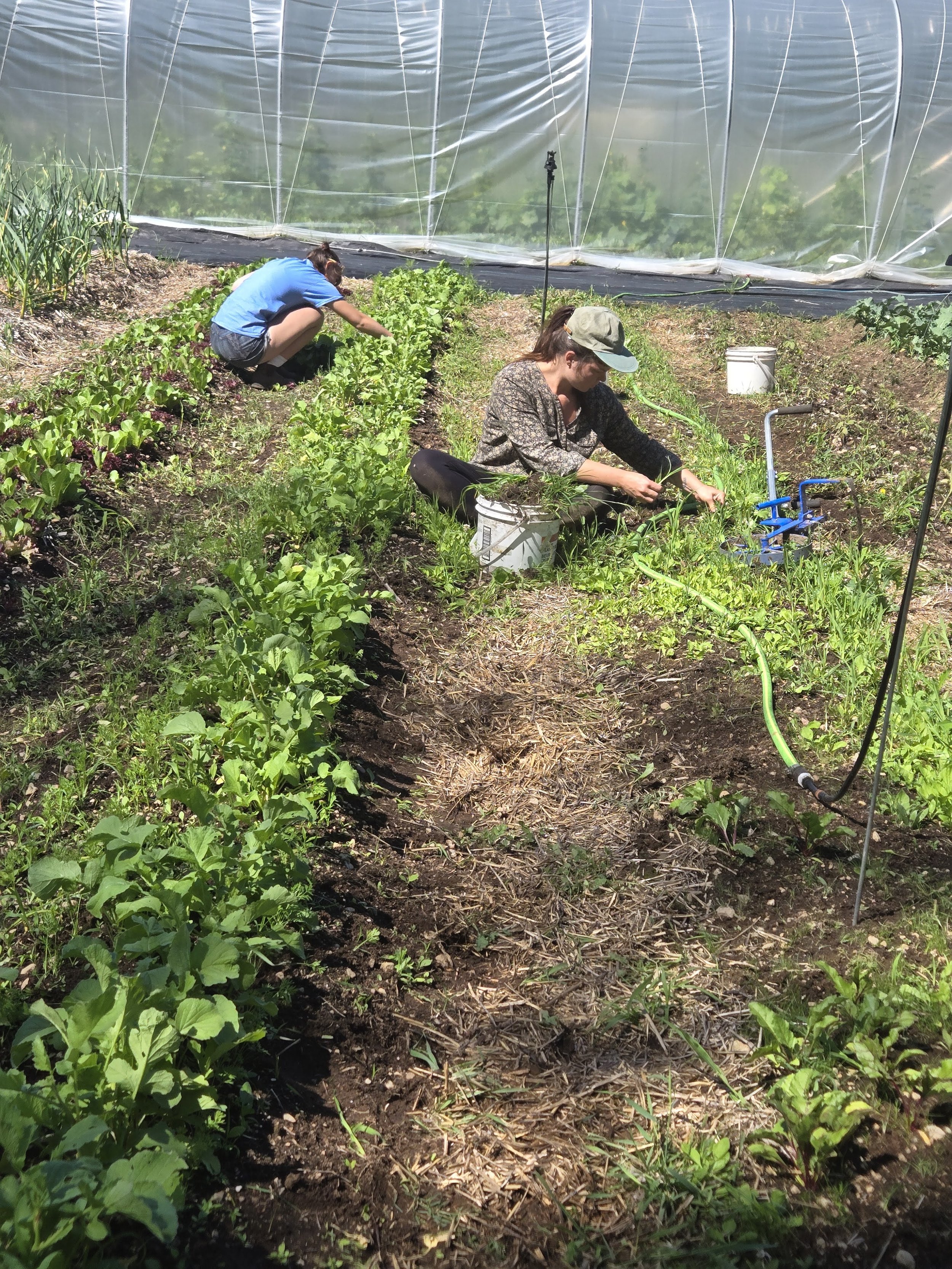
Workers at the farm carefully prepare the land for upcoming crops, cultivating the soil with intention and care to support healthy, sustainable produce.
My name is Naomi Legg, a Métis educator and farmer. I’ve spent more than two decades working in education, and I’m currently a student in the Master’s of Indigenous LandBased Education (M.I.L.B.E.). I now have the privilege to teach Indigenous education at LV Rogers and Redfish schools, and I am entering my fourth season of farming. The foundation of all Indigenous culture is connection to the land. We cannot exist in harmony without reverence for and care of the land. Indigenous peoples all over the world have demonstrated their care for the land for millenia. When I look at how quickly we are reshaping our world, and often not for the better, I am reminded of all of our ancestors and what they would be asking us to do in our time here on Earth.
Farming has become the meeting place for everything I care about: land-based learning, community wellbeing, and Indigenous cultural revitalization and food sovereignty. On a farm these ideas become tangible, you can see them in the soil, taste them in the food, and feel them in the relationships that form when people connect to where their food comes from. And this is how we change the world. When people care about the soil, their food, and their community, they act differently and make better choices, choices that create sustainability.
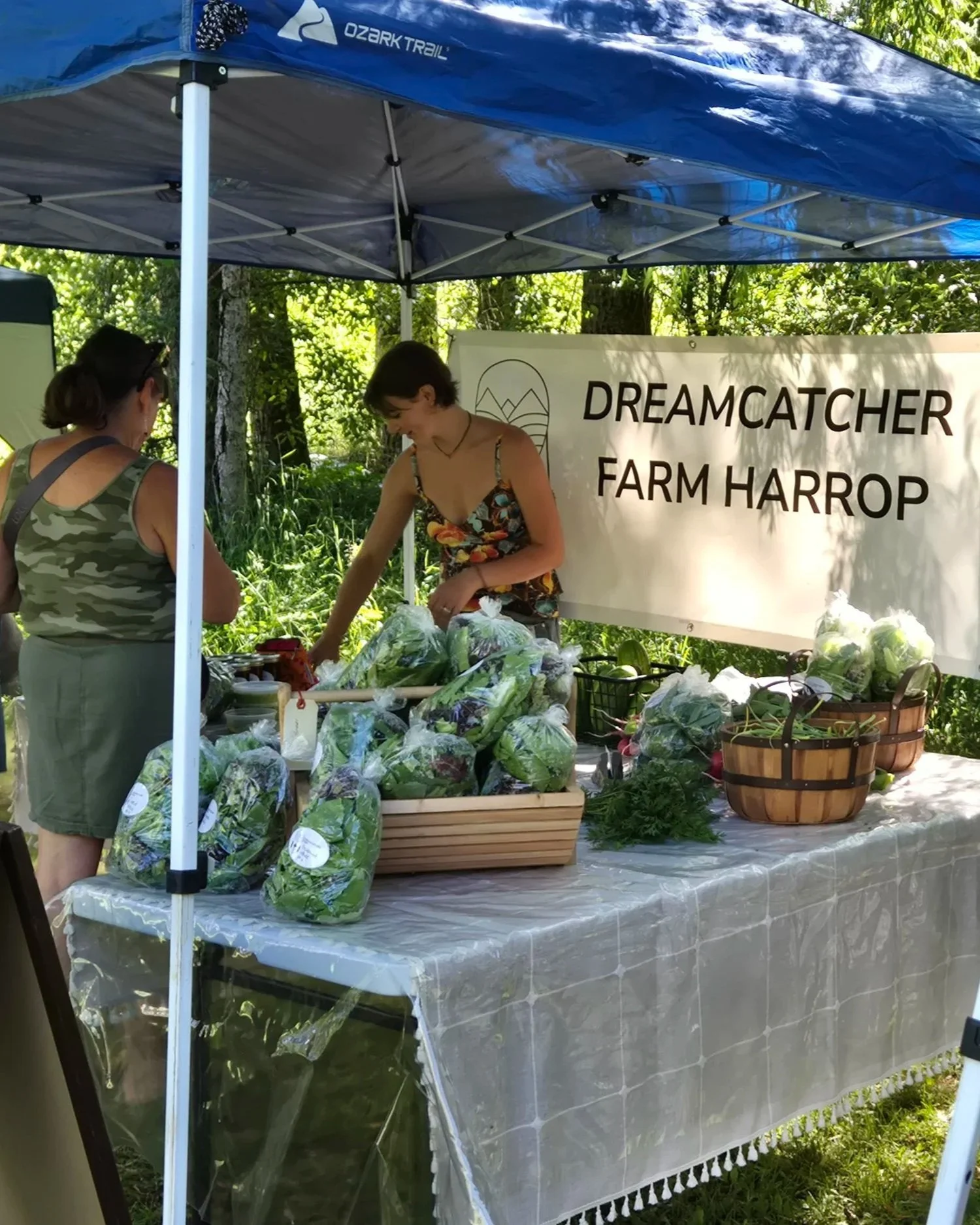
Why Small-Scale Agriculture Matters—Especially Now
Small-scale farming is not hobby farming. It’s a practical, place-based answer to a food system built on distance, extraction, and fragility. When you look at the success of small-scale farmers to build soil, and grow nutritious food without pesticides, and with as much biodiversity as possible (basically mimicking nature), you can see why the system needs to be replicated the world over. By planting bio-intensively and understanding the principles of soil health, you can grow so much on so little.
Small farms feed communities in ways big systems can’t. Small farms deliver freshness, traceability, and seasonal abundance that doesn’t rely on long-haul transport or “just-intime” supply chains. We can grow for local needs, respond quickly to shifting weather, trial resilient varieties, and build soil health season after season.
Small-scale farms also keep food dollars circulating close to home, create meaningful local employment, and make room for relationships between growers, eaters, and the land itself. When we eat with the seasons, we don’t need to rely on having fruit shipped all the way from Peru or South Africa. We can be eating the berries that were harvested in summer in jams or frozen. We can eat winter squash soups and cook recipes that use storage crops just as our ancestors have done.
In the Kootenays, where climate impacts are increasingly obvious, small-scale regenerative farms are part of real adaptation: soil that holds moisture longer, diversified plantings that buffer against crop failure, and local networks that keep food available when the wider system falters. This is what resilience looks like: not bigger, but more rooted.
What Indigenous Regenerative Farming Means Here
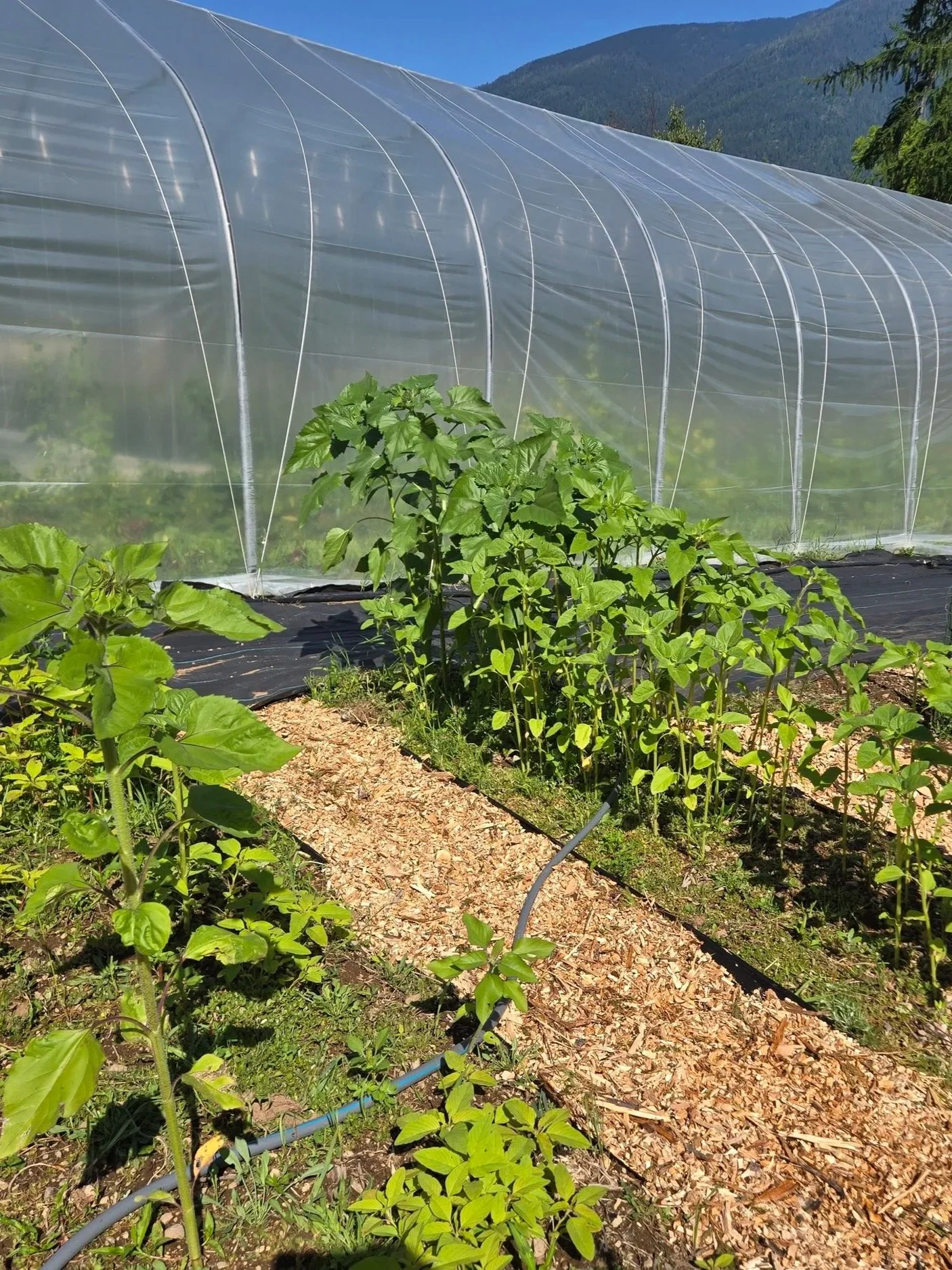
In the West Kootenays, farming is shaped by our realities: short growing seasons, unpredictable spring and fall weather, and the increasing need to be thoughtful about water. Timing is everything: when to start seedlings, when to transplant, how to protect crops from late frosts, and how to make the most of warm days when they finally arrive.
“Regenerative” can sound like a buzzword, but on the ground it’s simple: farming in ways that restore rather than deplete. It means treating soil as a living community we enter into a relationship with, not a surface to extract from. It means noticing what the land is saying and adjusting with humility.
Soil-building isn’t optional, it's survival. Our soils can be rocky, inconsistent, and easily stressed by drought or heavy rains. Regenerative farming becomes a commitment to resilience one season at a time: improving structure so soil holds moisture longer, increasing organic matter so plants can handle temperature swings, and designing systems that reduce erosion and compaction. In a region where climate impacts are felt more clearly each year, caring for soil and protecting water is one of the most practical things a farmer can do for crops, community, and for future generations.
At Dreamcatcher Farm Harrop, Indigenous regenerative farming is rooted in values as much as methods: reciprocity, responsibility, and longterm care. It shows up in everyday choices—building fertility through compost and organic matter generated on the farm, rotating crops, protecting soil with mulch and cover crops when possible, and choosing practices that support biodiversity rather than stripping it away. I plant bio-intensively so plants shade out weeds and help reduce evaporation, working with natural cycles instead of forcing production at any cost. I put down tobacco as an offering to the plants and I plant by the moon cycles. The waxing moon cycle means that above ground crops and flowers should be planted and the waning moon cycle benefits root crops.
And it means remembering that food is never “just food.” Food carries memory and teaching. It carries identity and responsibility. It can be medicine. It can be a pathway back into a relationship with the land as living and full of spirit, with ancestors, and with the wider cosmos we belong to.
Learning the Systems and the Barriers
Farming teaches you quickly that the work isn’t only in the garden. It’s also in the systems around it: infrastructure, processing, storage, labour, costs, and market access. Every season comes with lessons, and I’ve learned as much from the hard parts as I have from abundant harvests. I’ve learned that you cannot farm alone.
As a farmer, I’ve learned that building a farm is often an act of persistence. You’re constantly solving problems and repairing equipment with the help of your handy husband, stretching budgets, navigating regulations, adapting plans when weather doesn’t cooperate, and making a hundred small decisions no one else sees. Those barriers are real, but they’ve also clarified my purpose. Dreamcatcher Farm isn’t only about growing produce; it’s about building something that can last, and something that can serve the community. Each season we are required to see the bottlenecks and strategically build infrastructure to handle the bottlenecks. It takes time and money, something that is lacking when I teach full time and am the sole income earner.
Why Indigenous Food Sovereignty Matters
Indigenous food sovereignty is not just about “local food.” It is about self-determination: the right and responsibility of Indigenous Peoples to govern their own food systems—how food is grown, harvested, gathered, prepared, shared, protected, and taught and this work is guided by Indigenous laws, knowledge, and protocols.
It matters because food systems are never neutral. Colonialism disrupted Indigenous land relationships, restricted access to territories and waterways, criminalized harvesting practices, and replaced reciprocal food economies with dependence and scarcity. Indigenous food sovereignty is a pathway of repair and resurgence: restoring land-based relationships, revitalizing knowledge, protecting ecological integrity, and strengthening community wellbeing through culturally grounded food practices.
For me, as a Métis person living away from my homeland, this work begins with accountability to place: recognizing I am living and farming on Indigenous lands, and approaching local Nations and knowledge holders with respect, consent, and a willingness to be guided. It means building relationships that are co-led, where protocols are clear, benefits flow back, and knowledge is protected rather than extracted. It means putting honoraria into budgets, making room for Indigenous leadership, and measuring success not only by yield but by access, dignity, participation, and land health.
My long-term vision is to grow Dreamcatcher Farm Harrop into a community hub where food, learning, and belonging come together, where young people learn that agriculture is not only a job but a relationship and responsibility; where community conversations can happen around tables; and where local resilience is built season by season. In a time where hope is needed more than ever, let’s be the difference.
What We Offer
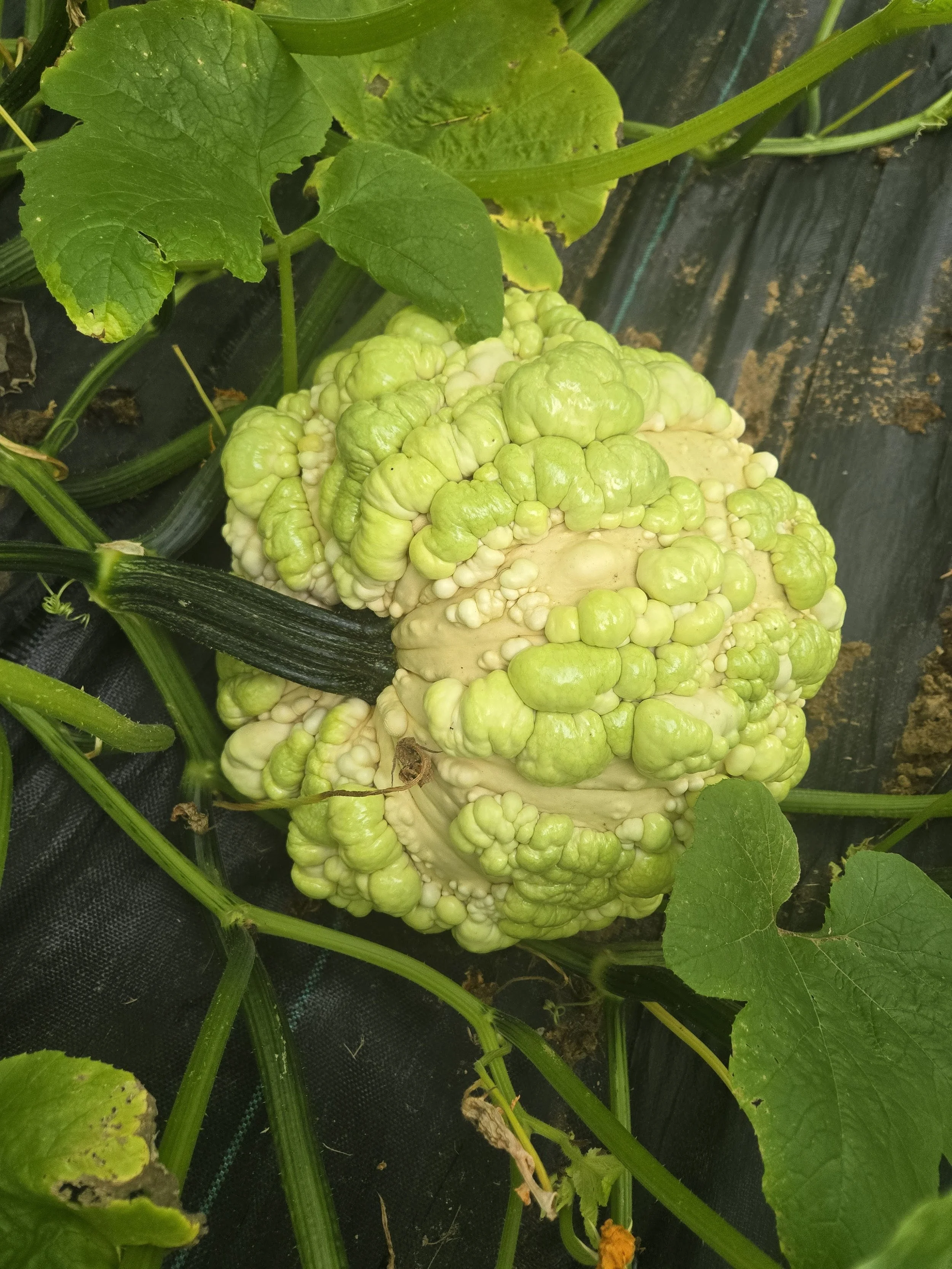
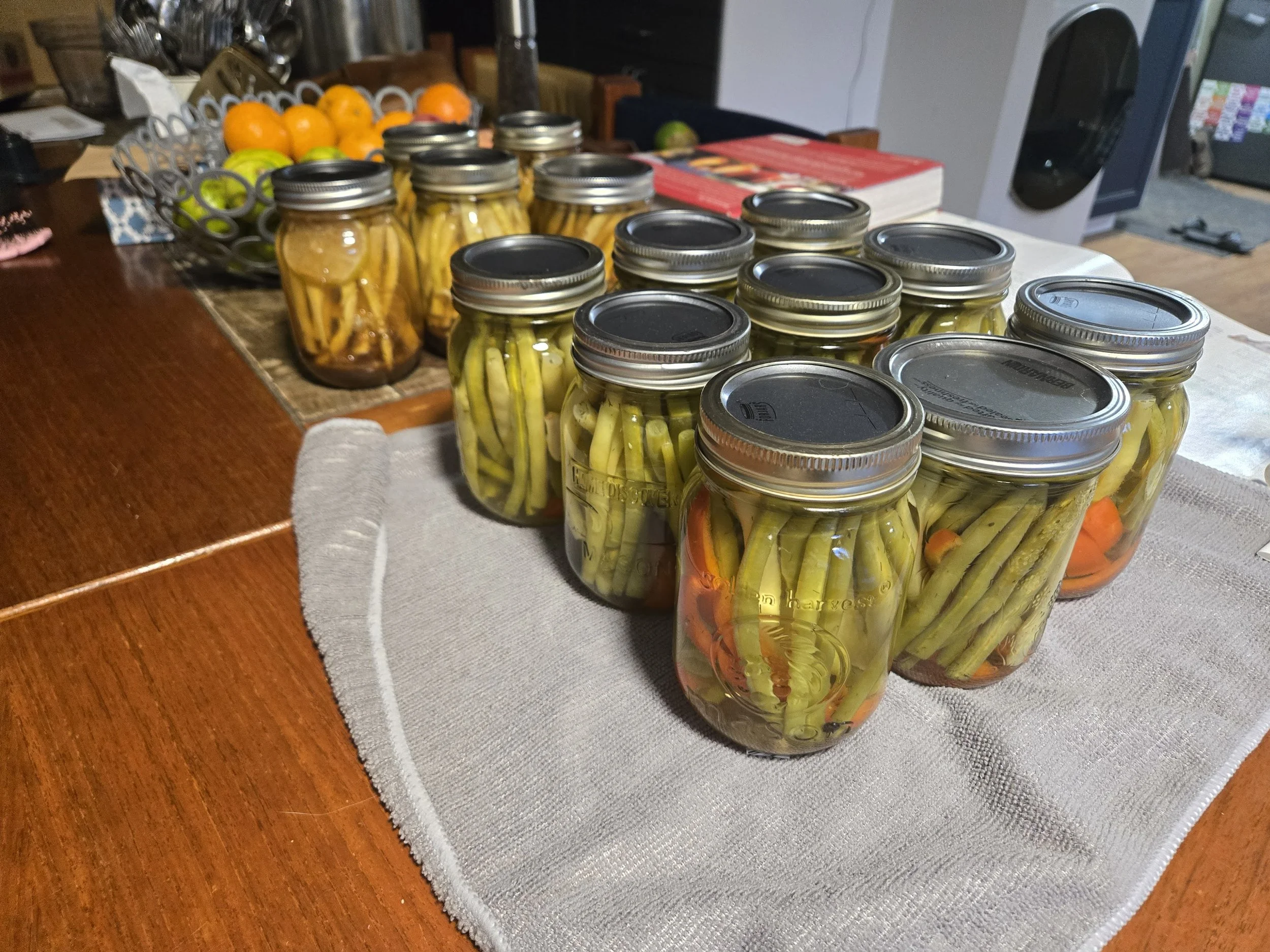
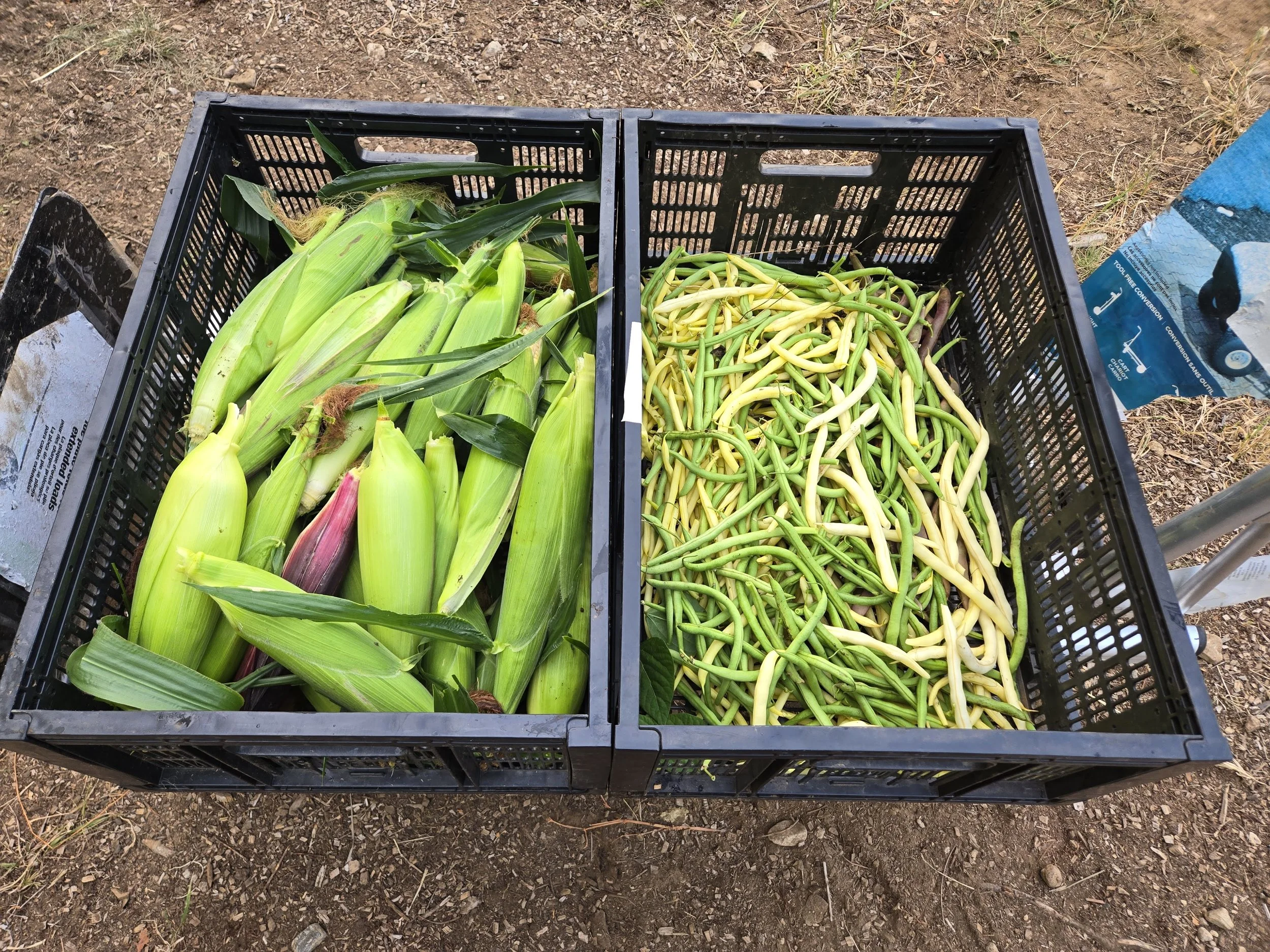
Indigenous-led, regenerative farm production (seasonal vegetables, greens, storage crops, herbs; traditional medicines, value-added products like jams and jellies)
Reliable local supply with consistent weekly availability through the growing season
Farm-to-school and community partnerships with flexible ordering and harvest bins
Land-based learning opportunities (farm visits, seasonal workshops, skill-sharing)
Community access with dignity (sliding-scale options and food sharing pathways as funding allows)
Stewardship outcomes: soil-building, composting, pollinator habitat, climateresilient growing practices
Reciprocity: community dinners, mentorship, youth opportunities, collaborative events
What We Seek
Co-led relationships with local Indigenous communities/ knowledge holders to guide protocols and priorities
Funding or in-kind support for sovereignty infrastructure:
Cold storage / refrigeration, wash-pack upgrades, processing/ preservation equipment
Season extension and irrigation efficiency
Delivery and distribution supports (bins, packing, fuel assistance)
Partner commitments (schools, organizations, buyers) for planned purchasing
Honoraria and program support to ensure Elders/knowledge holders are compensated and respected
Land stewardship collaborations (native plantings, habitat work, firerisk reduction partnerships where appropriate)
Volunteers and skilled helpers for harvest days, infrastructure builds, and community work bees
About the Author
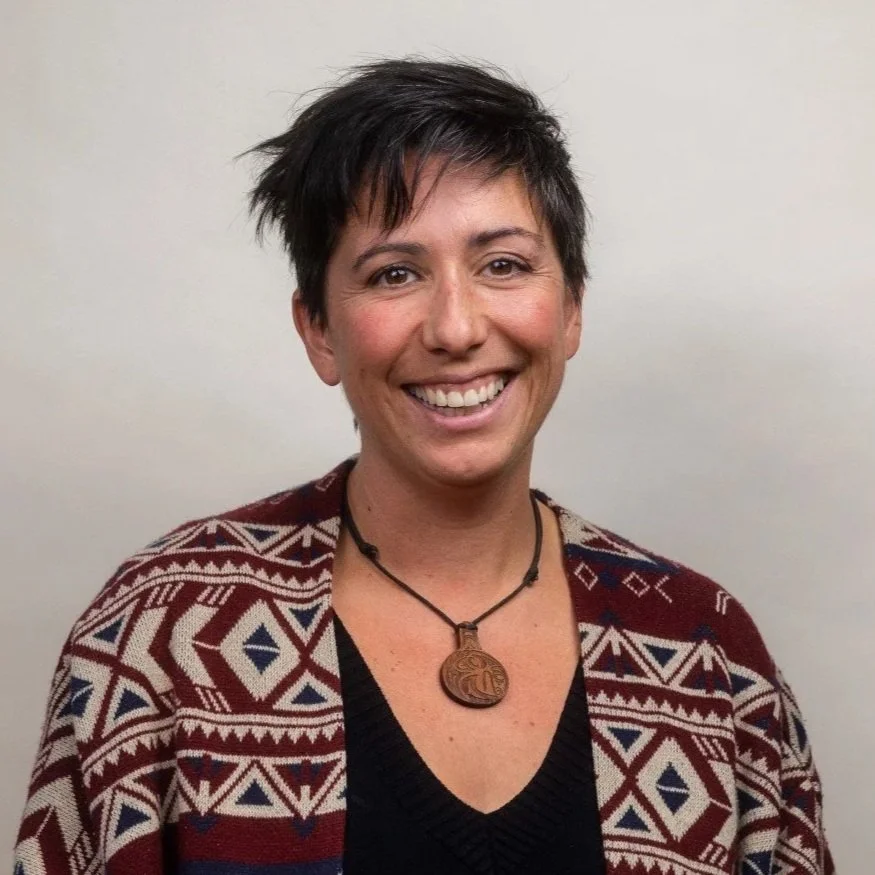
Naomi Legg is a Métis educator and farmer in West Kootenays with 21 years’ teaching experience in Alberta and BC. She is an Indigenous Success Teacher (SD8) and master’s student in Indigenous Land-Based Education. Founder of Dreamcatcher Farm Harrop, she promotes soil health, food systems, farmers’ markets, and farm-toschool connections. Visit dreamcatcherfarmharrop.com.