

Rooted in Resilience
Women in Farming, Community & Mental Well-Being
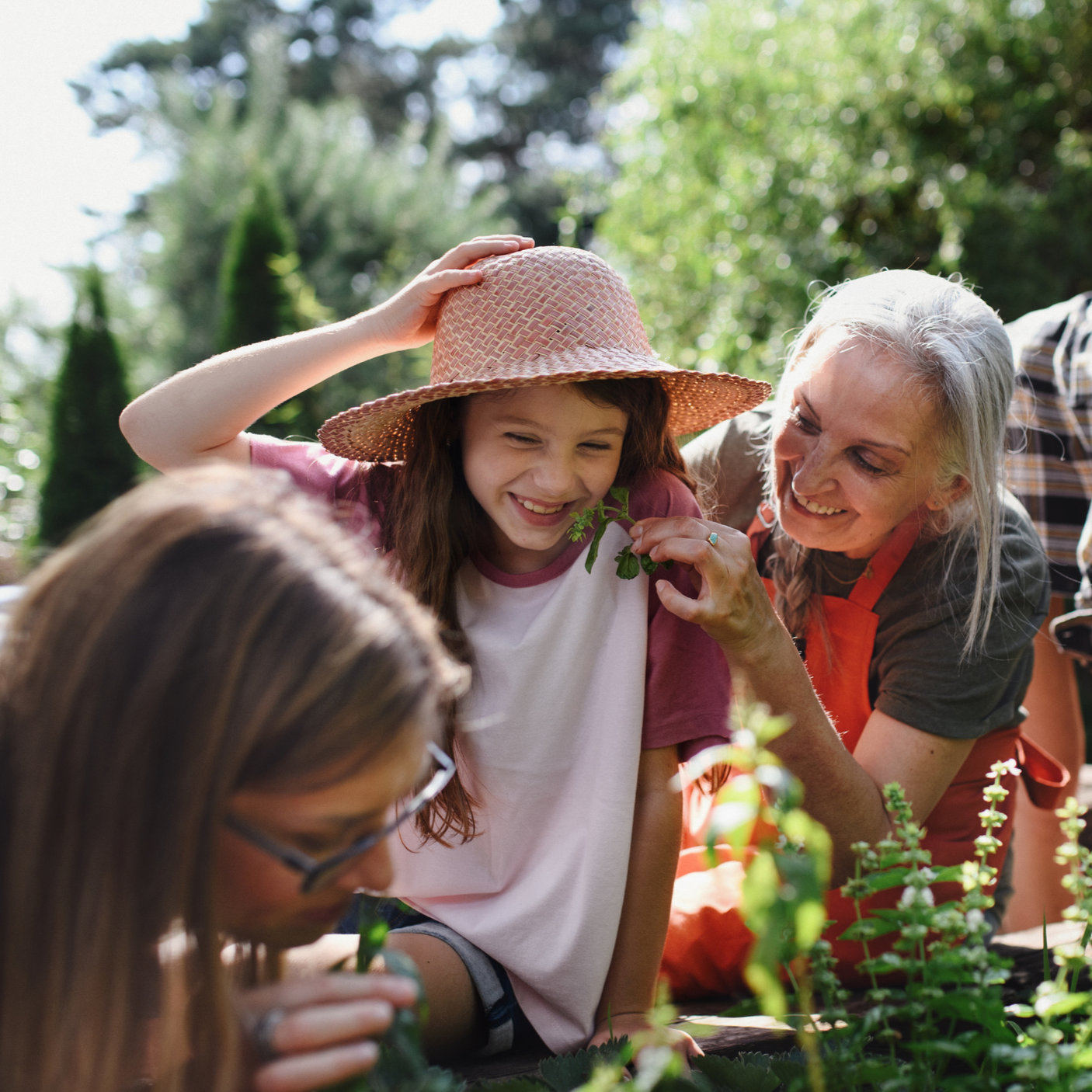
International Year of Women Farmers
Across Canada and around the world, women play an increasingly vital role in agriculture and farming and all the business activities that go with it, like the farmers markets, outlet stores and food producers. They are farm owners, entrepreneurs, food distributors, caregivers, innovators, and community builders. Yet, behind the strength and beauty of rural life, many women in farming carry a complex emotional load, balancing financial uncertainty, family responsibilities, environmental pressures, labour issues and a deep personal connection to their land and livelihood. Often they are also giving back to their communities in extraordinary ways.
As we recognize the International Year of Women Farmers, it is increasingly clear that supporting women in agriculture and the business of growing food and caring for the land is essential—not only for economic sustainability but for the overall health of families, communities, and food systems.
Consequently, mental health is now recognized as central to sustainable farming. Research from Canadian universities and agricultural organizations indicates high levels of stress, anxiety, and burnout across the sector. Women, in particular, often report exacerbated stress due to the invisible emotional labour of managing both business operations and raising families.
“Women in agriculture are not only growing food — they are cultivating resilience, leadership, and sustainable communities.”
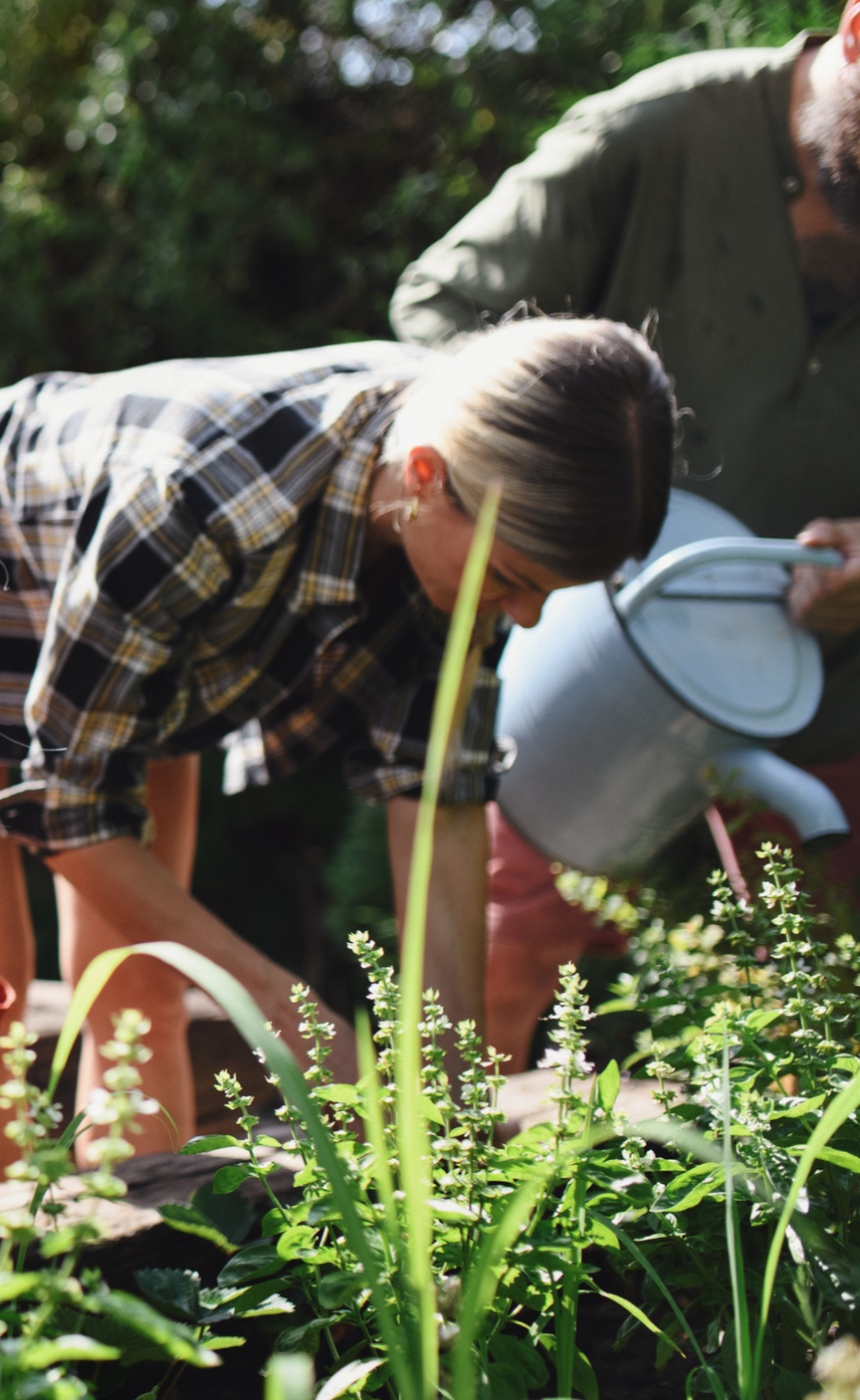
Mental Health Challenges Facing Women Farmers
When examining the mental health landscape of agriculture, research identifies a distinct web of compounding stressors. On the operational side, women constantly navigate financial pressure, unpredictable incomes, equipment costs, climate uncertainty, and the relentless struggle to hire and retain staff. These daily hurdles inevitably lead to long working hours and profound physical fatigue.
Beyond the physical toll, there are deep social and structural barriers. Women frequently experience acute geographic and social isolation in rural environments, which is often worsened by limited access to specialized mental health services especially in rural communities. Furthermore, the emotional burden is uniquely heavy; many women are balancing business roles with caregiving, fighting for basic recognition as primary farm operators in male-dominated spaces, and carrying the heavy, unspoken pressure to sustain multi-generational legacy farms. Working long hours independently, often without structured support systems, leaves many women carrying this significant responsibility entirely on their own.
Protective Factors Supporting Wellbeing
Despite these heavy challenges, research consistently demonstrates that social connection and peer support are the strongest anchors for resilience among women in agriculture.
The most effective protective factors are rooted in community. Participating in women-focused farming organizations, mentorship opportunities, and leadership development programs fosters essential collaboration and shared knowledge. When women have access to mental health education, supportive peer networks, and the freedom to build flexible business models, they thrive. Through these connections, women in agriculture are not just surviving; they are actively reshaping the culture of farming by integrating wellness, collaboration, and sustainability directly into their business practices.
Looking Forward
As we celebrate the International Year of Women Farmers, we have a vital opportunity to champion these women. Women in farming consistently demonstrate a remarkable capacity to adapt, collaborate, and innovate. Their strength fortifies not just our food systems, but the very fabric of rural communities.
Truly supporting women farmers means acknowledging the immense, often invisible scope of their contributions and ensuring they have access to the resources, networks, and opportunities necessary for long-term well-being. Be a part of the initiatives in your community, buy from your local farmer, go to your farmer’s market, and raise your voice to support women in farming in your community.
Because when women in agriculture and farming initiatives thrive, entire communities grow stronger.
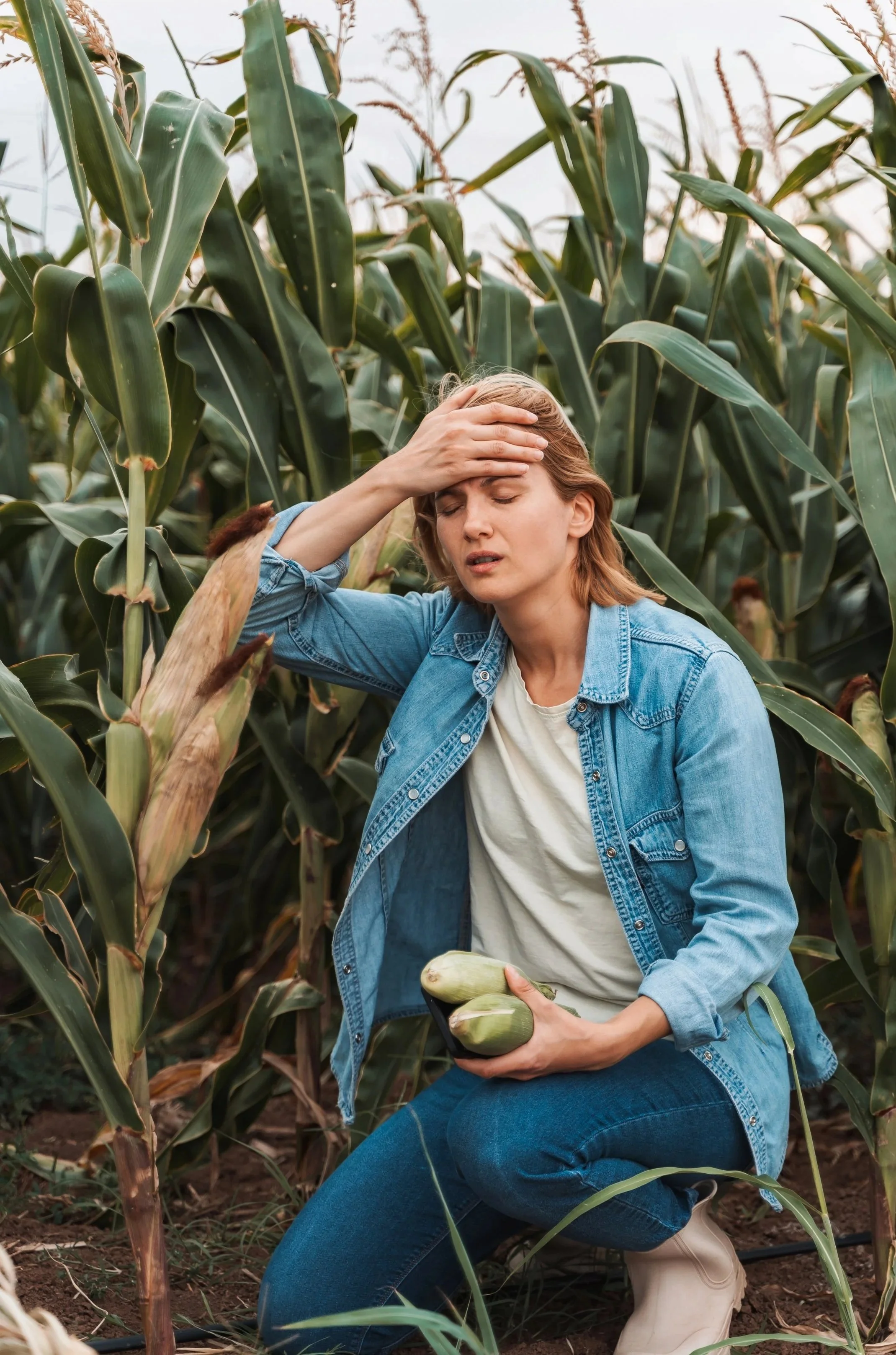
Mental Health & Women in Agriculture - Key Statistics
Women represent approximately 30% of farm operators in Canada
76% of farmers report moderate to high stress levels
Women farmers report higher levels of anxiety and depression symptoms
Agriculture is considered one of the most stressful occupations due to financial risk and environmental uncertainty
Labour shortages are identified as one of the top operational challenges in Canadian agriculture
Many farms report difficulty recruiting and retaining reliable workers
Isolation is a significant predictor of depressive symptoms in rural communities
Women entrepreneurs experience higher rates of role strain and burnout
Peer support significantly improves resilience and wellbeing
Women farmers are increasingly diversifying income streams through entrepreneurship
Women farmers report higher levels of anxiety and depression symptoms. Approximately 30% of farm operators in Canada are women. 76% of farmers report moderate to high stress levels.
Mental Health Supports for Women in Farming (Canada)
National Farmer Wellness Network
24/7 confidential crisis line and counselling for farmers and farm families
AgLife (British Columbia)
Mental health training and peer support specifically for agriculture workers
https://www.aghttps://www.aglifecanada.califecanada.ca
AgSafe BC Mental Wellness Resources
Free, confidential counselling for BC farmers and agricultural workers
https://agsafebc.ca/mental-wellness
Producer Mental Wellbeing Initiative
Government of Canada program funding farmer mental health supports
https://impact.canada.ca/en/challenges/producer-mental-wellbeing-initiative
Farm Debt Mediation Service
Free financial mediation services to help reduce stress related to farm debt
https://agriculture.canada.ca/en/programs/farm-debt-mediation-service
Farmer Wellness Initiative
Free counselling services for farmers and their families (available in some provinces)
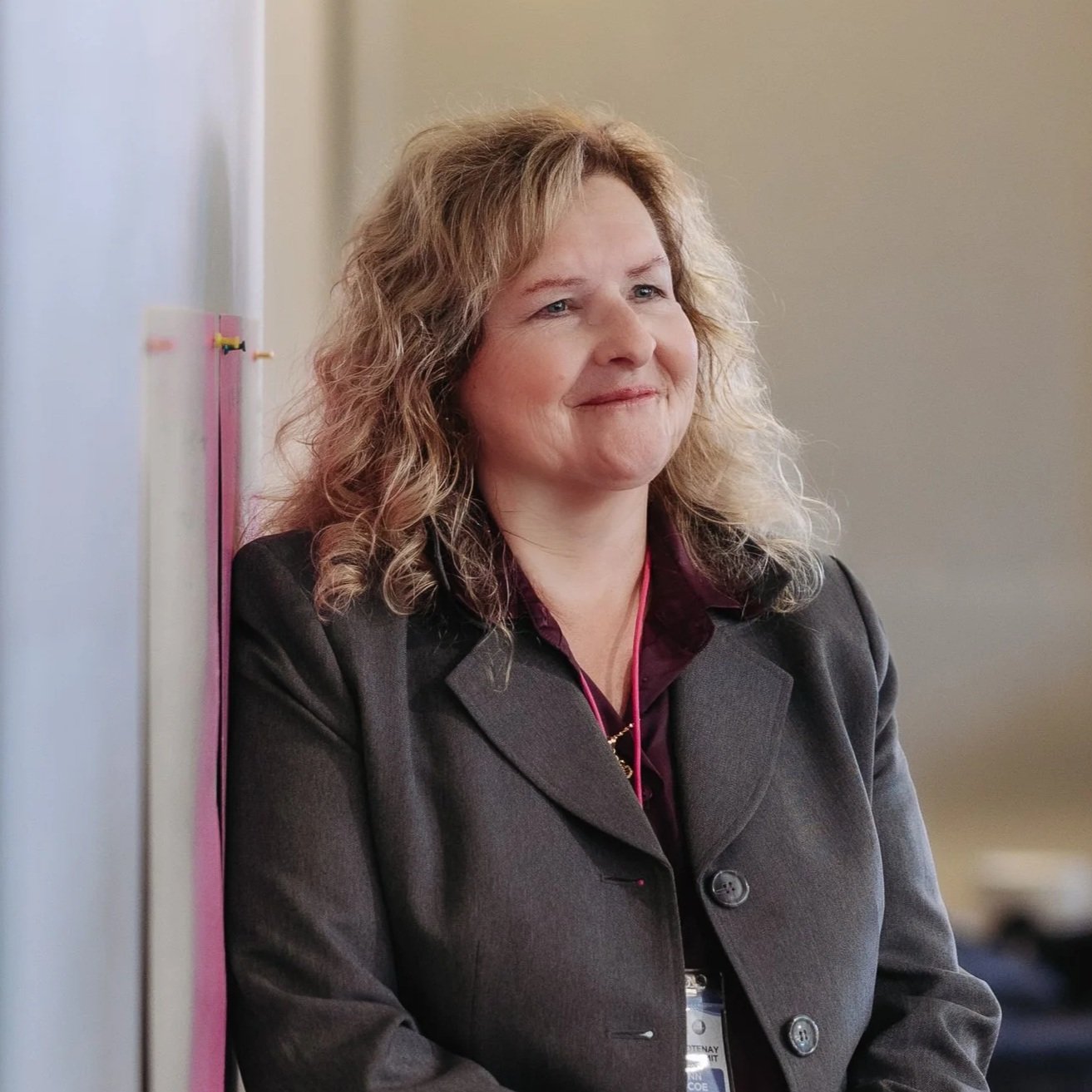
About the Author
Lynn Hiscoe is an advocate for mental health, women in business and women in rural communities. She is a Registered Psychotherapist and Social Worker and works to empower women to reach their full potential and elevate their health and wellness. Learn more at empoweredlives.ca and kootenaywoman.com.