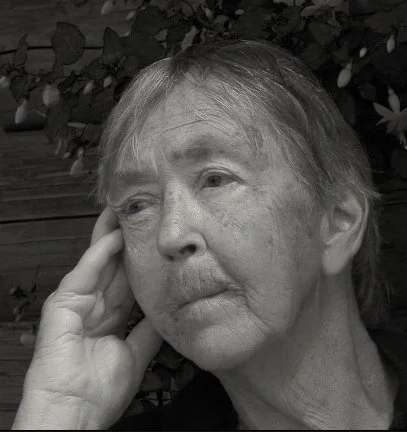
Home and Away
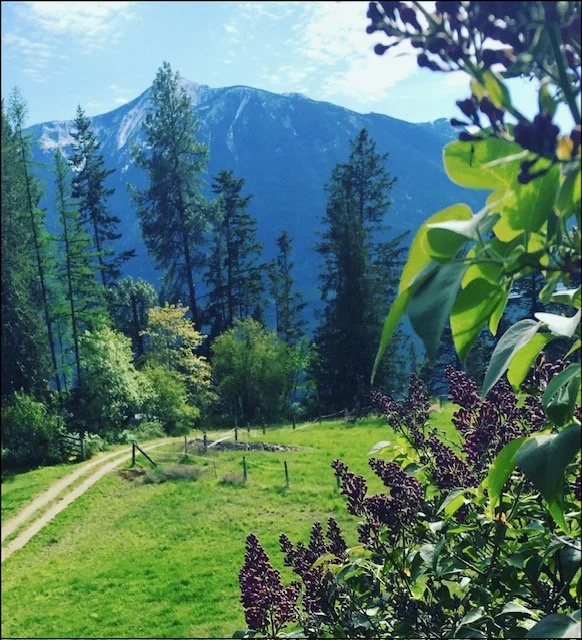
I was born a farmer, which I think is one of the best ways to become a farmer. Turns out I was also born a writer but I found that out later when I went to school and fell in love with books and language. The spring that I turned five, my parents took over my grandfather’s farm. We had been living on another, smaller farm, south of my grandfather’s land, so the new place was a delight and a wonder. It was on the shore of beautiful huge Kootenay Lake, with a giant beach to play on as well as the land itself. We only farmed the twenty acres between the highway and the road but there was another sixty acres on the mountainside which supplied our water and our wood in winter.
The first morning I woke up at the new house. I ran outside to find my dad, who had gotten up much earlier and gone out to split wood, and feed and milk the cows. It was early April and mist was rising off the emerald grass as the sun came up the grassy field where the cows lived was also overgrown with tall grass and thistles. I slid through the fence. The thistles bit my bare feet and worst of all, the cows spotted me and began following me though the tunnels of thistle and bracken. I couldn’t see anything, but I could hear the cows stomping behind me. Finally, I made it out and there was my dad, standing by the barn. I ran to him and he told me I was silly to be afraid of a few cows. The he handed me a rusted coffee can full of grain. “Here, make yourself useful. Go feed the chickens. Shake the can, they’ll hear you.”
So I did and from out of the grass came running Bantam chickens, all different bright, colours, with fluffy balls of yellow chicks running beside them, and a strutting rooster who shook his shining neck feathers at me but ate the wheat kernels I tossed on the ground. The sun was just coming up and as it did, the grass turned an even brighter green, the mountains and the lake lit up and I was hooked, a farmer forever.
The work was hard; there was never enough money. My father took jobs off the farm to pay the bills and that meant his kids had to do the farm chores.
My job was to feed the cows, feed and water the chickens, and gather eggs, My favourite job was caring for the baby chicks we ordered every spring. They went into a small shed under a red heat lamp and it was my job to check on their feed and water several times a day, to make sure they weren’t too cold, because if they were, they would huddle up in a pile and the smallest chicks would suffocate.
But much as I loved farming, I also wanted to be a writer. Writing and writers and writing education were in the city. This dream required a lot of travel, sustained times away from the farm, working and going to school, and a lot of worrying about money. I was also a single parent of four kids. When I lived at the farm, I grew an acre of garden, picked fruit, and sold these at our fruit stand. There was a strong network of people with young families along the east shore of Kootenay Lake so I had a ready market for the produce.
But my work also fed many people. Every Sunday was a big family dinner at our parent’s house. Our mother was an amazing cook and since we raised or grew the majority of our food, even when there wasn’t much money, there was always an abundance of food.
Through all the travel and struggle, I maintained my allegiance and love for our land, I healed the gap between being a farmer, and being a writer, by finally writing a book about the farm, as part of my thesis for a Ph.D in writing. Now, at seventy-seven, I still identify as a farmer, although I no longer have land. But I know the smell of land when it warms up in the soil and in my very bones, I know it is time to start planting.
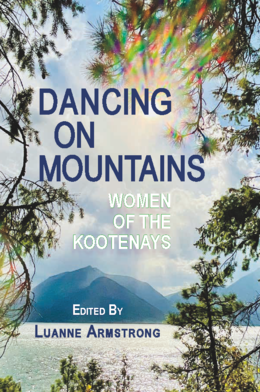
I still write every day; at present i am working on a history of the Creston Valley and Kootenay Lake and I am putting together an anthology of writing by Kootenay women. I run two writer’s groups, and edit books through to publication. I have written and published twenty-eight books. My grown kids are happy, with good careers. Now, one by one, my grandkids are graduating, and move into higher education or into their new careers.
Much of my life, I was full of fear and anxiety about what I was trying to achieve and whether it was even possible, but I succeeded, wrote many books, got my Ph.D, and was eventually able to teach university and live at the farm, my dream come true.
I still grow flowers, vegetables and fruit beside my house in town. I drive my grandkids to wherever they want to go and I walk my big dog every morning just before sunrise. I watch the leaves unfold, listen to the morning bird chorus, and smell the earth signalling to me that once again it is time to get my hands in the soil.
About the Author
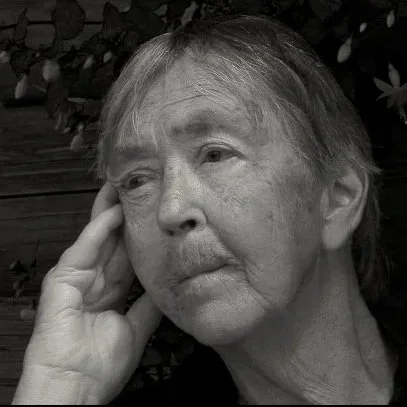
LUANNE ARMSTRONG holds a PhD in Education and an MFA in Creative Writing from the University of British Columbia. She has written twenty-five books, and has co-written or edited many other books through to publication. She has published several novels, children's books, memoir and books of essays, as well as poetry. She mentors emerging writers both online and in person through writing groups, online chats, and more.